
Balinese Massage Dubai At Your Home, 24/7
A DHA-licensed therapist trained in Balinese technique comes to your home, hotel, or apartment anywhere in Dubai with a professional table, aromatherapy oils, and fresh linens. From AED 400 for sixty minutes, at any hour, one price across the whole city.
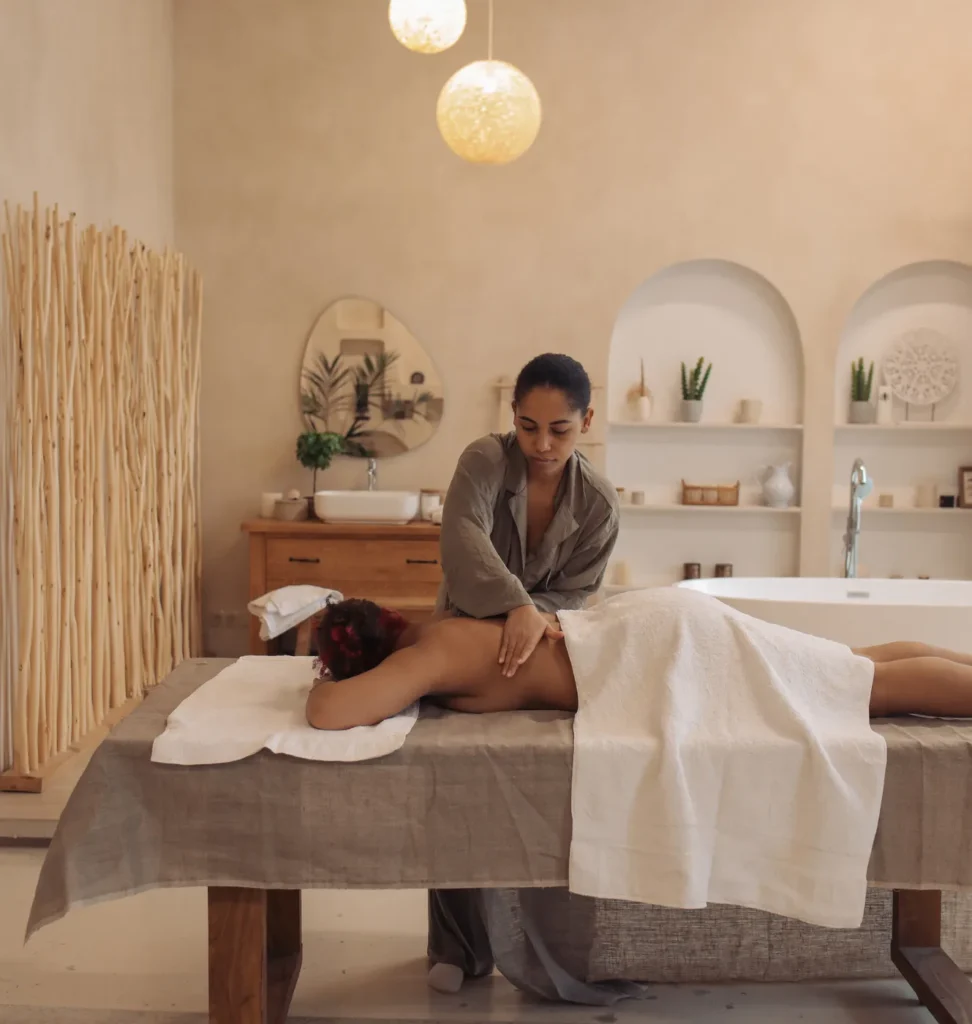
The Treatment People Book When They Know What They Want
Most people arriving at Balinese have had massages before. They usually arrive having worked something out.
They know Swedish is too light to shift what is bothering them. They know deep tissue does shift it, but they have had one and spent the hour breathing carefully and waiting for it to be over. What they want is the result of the second without the experience of it.
That is Balinese, and it is not a compromise between the two. It is a distinct tradition with its own techniques, and the reason it lands where it does is worth understanding rather than just taking on trust.
It is also, for what it is worth, what a great many people actually want when they book deep tissue.
Why It Feels Easier Than Deep Tissue at the Same Pressure
This is the part nobody explains, and it is the whole reason the treatment works the way it does.
It is not that Balinese is softer. At medium-to-firm pressure, a Balinese session can be working as hard as a deep tissue one. The difference is variety.
Deep tissue holds. The therapist finds a tight band, stays on it, and waits for it to release. The sensation is sustained and unchanging, and that is precisely what makes it demanding your attention has nowhere to go but the pressure.
Swedish flows. A continuous, unvarying rhythm from start to finish. Settling, but not firm enough to move something entrenched.
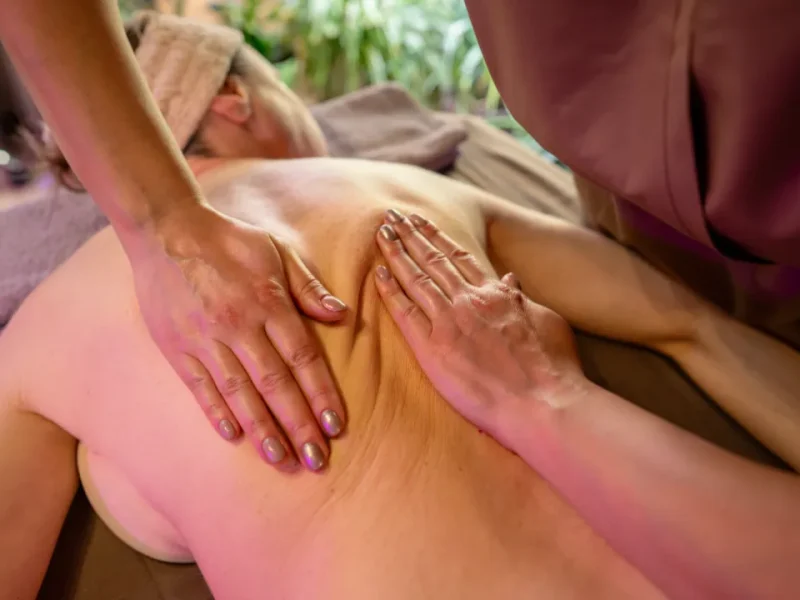
Balinese keeps changing. Acupressure, then kneading, then skin rolling, then long firm strokes, then pressure with a forearm, then back to points. No single sensation lasts long enough to become something you have to endure, but the cumulative effect across an hour is genuinely therapeutic.
That is the mechanism. You get firm work, and because the technique is constantly shifting, your body never braces the way it does against sustained pressure. Nothing is being withheld from you the intensity is there, it is just distributed.
Where It Comes From
Balinese massage is an Indonesian tradition, and it is a genuinely blended one rather than a single lineage.
It draws on three influences that met on the island over a long period: traditional Indonesian healing practice, Chinese acupressure, and techniques from Indian Ayurvedic tradition. That mixture is why the technique list is unusually long compared with most modalities it inherited from all three.
In the tradition, the work is understood in terms of balance and the movement of energy through the body. We would describe that as the framework the practice grew out of rather than as a physiological claim, and we will not tell you a massage realigns your energy, because we cannot demonstrate it and you would be right to be sceptical.
What we can tell you is what the technique actually does to muscle and what the hour actually feels like, which is the rest of this page.
The Techniques Inside It
Five, usually all present in a single session.
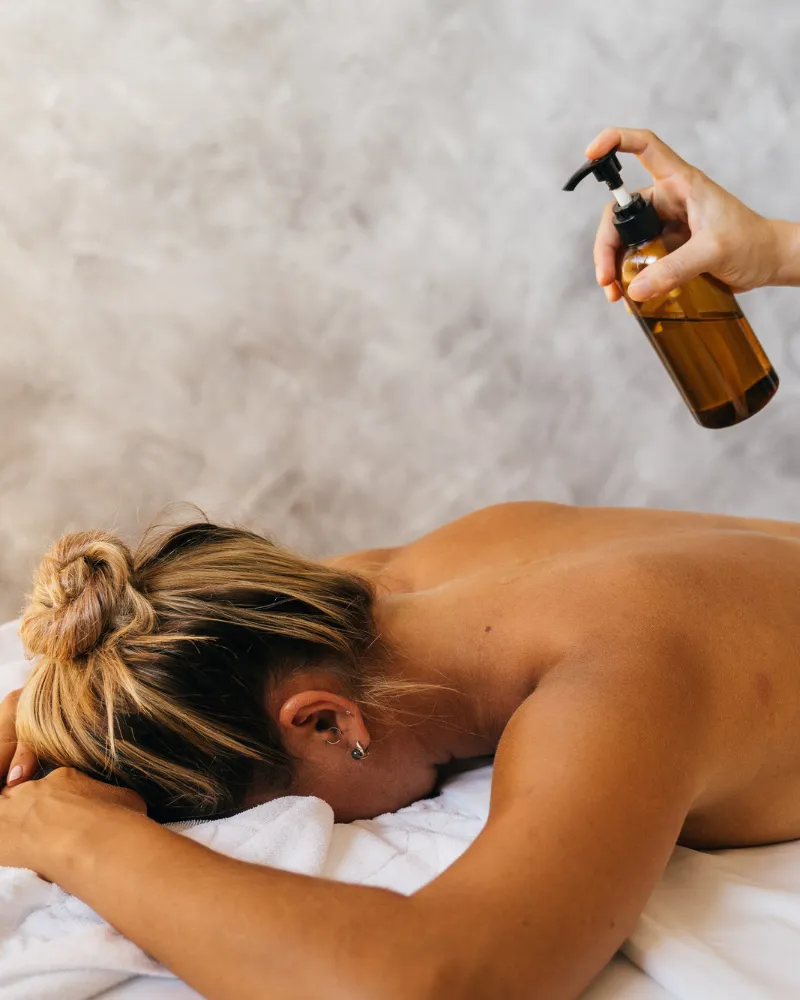
Acupressure. Sustained thumb or finger pressure on specific points, held and released. Inherited from the Chinese influence.
Kneading. Muscle lifted, rolled, and squeezed between the hands firmer than the Swedish version of the same movement.
Skin rolling. Skin and the tissue just beneath it gently pinched and rolled between the fingers. Distinctive to this tradition and unlike anything in Swedish or deep tissue. It feels odd for the first ten seconds and then most people like it a great deal.
Long firm strokes. Broad pressure with the palms, and often the forearm rather than the hands, covering large areas at a pressure Swedish does not reach.
Percussion. Light rhythmic tapping with the edges of the hands, used in short bursts rather than throughout.
And the therapist moves around more. A Balinese session covers the whole body and returns to areas rather than working through a fixed sequence once. If you have only had Swedish, the most noticeable difference is how much more is happening.
The Oils Are Not Optional
In most treatments, oil is a lubricant. In Balinese it is part of the method.
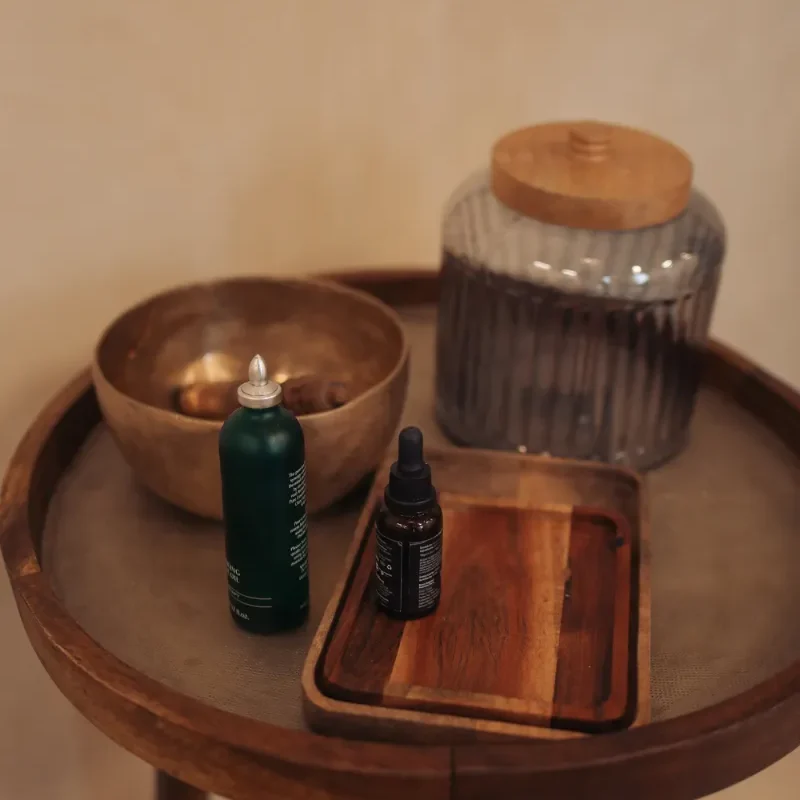
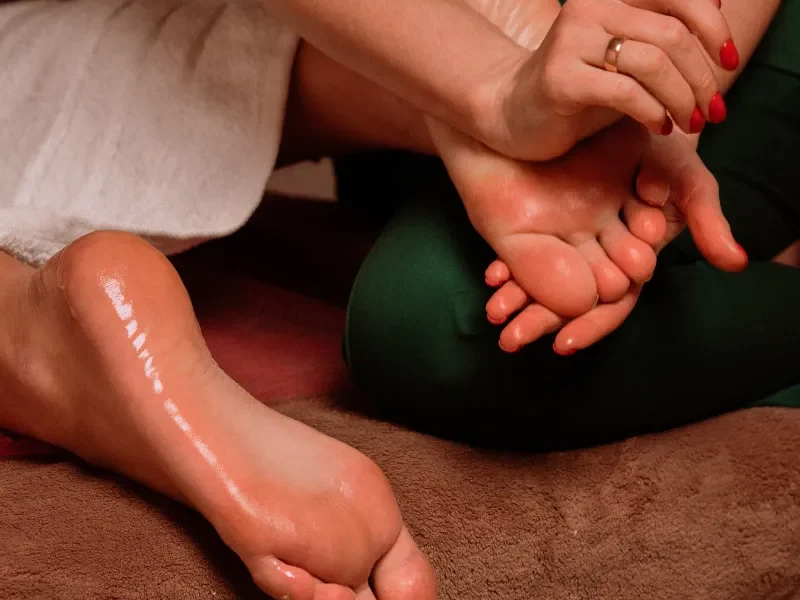
Aromatherapy oils are integral to the tradition, and a Balinese massage without them is not really a Balinese massage; it is a firm oil massage with some of the techniques. The warmth, the scent, and the way the oil allows both long strokes and precise point work at once are all doing something.
Tell us if you have a sensitivity, a scent you dislike, or a preference. We can adjust the blend, use something close to neutral, or work with a lighter application. Say so at booking rather than discovering it once the session has started.
Practical note: you will have oil on you afterwards, more than with a Swedish session. Shower an hour or two later rather than immediately, and if you are booking before going out somewhere, this is the treatment to book the night before instead.

Who It Is For
You want firm work but not an endurance test. The main case, and the largest group of people who book this.
You have tried deep tissue and did not enjoy it. Very common. It does not mean firm pressure is not for you; it usually means sustained pressure is not for you, which is a different thing entirely.
Physical work has left you tight all over rather than in one place. Standing, lifting, tool use, long shifts. Balinese covers the whole body at a working pressure, which suits diffuse tightness better than deep tissue’s targeted approach.
You want something that feels like a treatment rather than a procedure. Balinese is firm, and it is also genuinely pleasant. Both things are true at once, which is unusual.
You are booking for someone else and do not know their preference. This is the safest firm choice. Enough pressure to satisfy someone who wants real work, comfortable enough not to be unpleasant for someone who does not.
Book Something Else If
One specific spot has been tight for years, and nothing touches it. Deep tissue, and name the area. Sustained pressure on one place is what that needs, and Balinese’s variety works against it.
You are depleted rather than tight. Swedish at ninety minutes. Firm work is another demand on a system already short of resources.
It is your first ever massage. Swedish first. Learn what you like, then come here.
Movement has gone rather than muscle being tight, stiff and restricted rather than knotted. Thai massage, which works through clothing on a mat with no oils at all.
You cannot have oil on your skin because of a sensitivity, sunburn, or a skin condition. Thai, again, there is no oil involved.
Something is sharply painful, came on suddenly, or has not shifted in weeks. See a doctor before booking any massage. We are a spa service, and this is where that line sits.

During and After
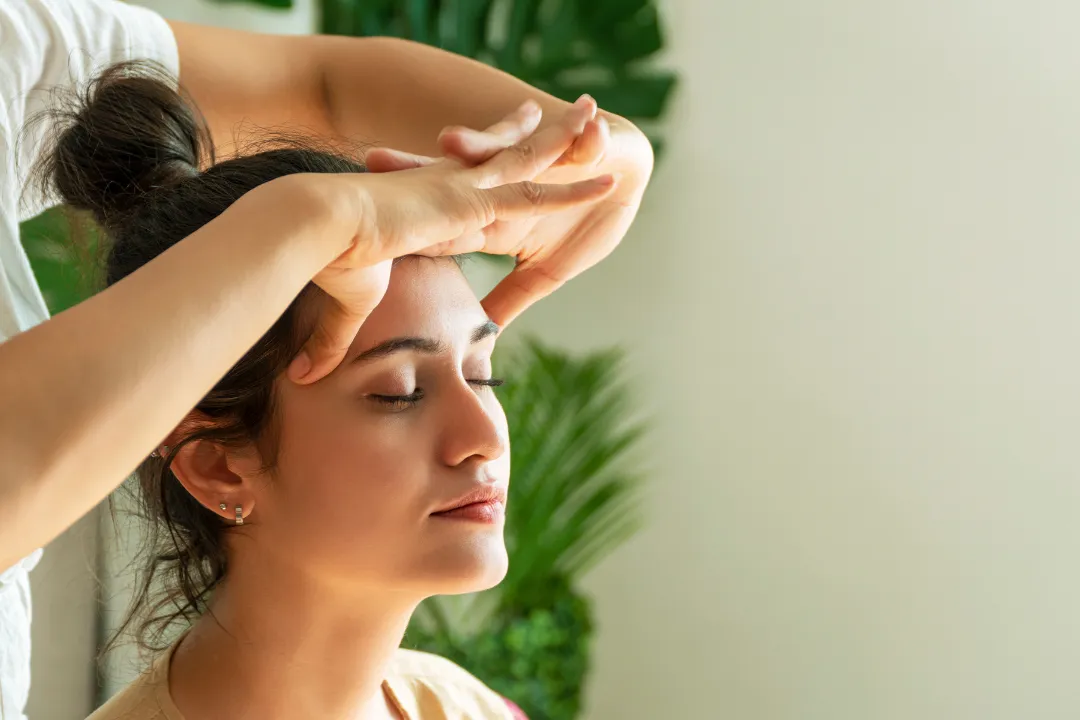
During. Firm but varied, and comfortable throughout. You should be breathing normally the whole time; if you are not, the pressure is too much, and saying so is expected rather than rude. Plenty of people fall asleep in the flowing sections and wake up during the point work, which is entirely normal.
Straight afterwards. Warm, loose, and usually noticeably more mobile. Slightly oily. Most people feel good immediately rather than the next day, which is different from deep tissue.
The following day. Occasionally a very mild tenderness where the point work was concentrated. Rarely more than that. If you are properly sore for days, the pressure was more than your body wanted; say “medium” next time and it will be followed.
Frequency. Monthly for maintenance. Fortnightly if the work you do is physical or you are working through something that has been building. This is a treatment people tend to settle into as a routine rather than book occasionally, which is worth knowing because a package rate is cheaper than paying session by session.
Drink some water. Not because anything is being flushed out of you that is marketing rather than physiology, and we would rather not repeat it. Most people are mildly dehydrated anyway, and getting up briskly after lying still for an hour is the sort of thing that makes people light-headed.
Price and Length
Full body relaxation massage -------------------- 450 AED
(60 min 450 AED/ 90 min 600 AED/ 120 min 780 AED)
Swedish Massage ---------------------------------- 450 AED
(60 min 450 AED/ 90 min 600 AED/ 120 min 780 AED)
Deep Tissue Massage ----------------------------- 400 AED
(60 min 400 AED/ 90 min 550 AED/ 120 min 700 AED)
Hot Stone Massage -------------------------------- 450 AED
(60 min 450 AED/ 90 min 600 AED/ 120 min 780 AED)
Thai Massage --------------------------------------- 450 AED
(60 min 450 AED/ 90 min 600 AED/ 120 min 780 AED)
Couple's Massage ---------------------------------- 800 AED
(60 min 800 AED/ 90 min 1,199 AED/ 120 min 1,599 AED)
Hot oil relaxation massage ----------------------- 450 AED
(60 min 450 AED/ 90 min 600 AED/ 120 min 780 AED)
Balinese Massage --------------------------------- 400 AED
(60 min 400 AED/ 90 min 550 AED/ 120 min 700 AED)
What the Therapist Brings
A professional hydraulic table, freshly laundered linens used only for your session, aromatherapy oils, and music if you want it. Setup takes a few minutes in whichever room you choose.
You need about two metres by two metres of clear floor. A studio manages it once a coffee table is moved. No spare room, and no need to tidy.
A short consultation runs before anything starts. Mention any injury, recent surgery, pregnancy, high blood pressure, varicose veins, skin sensitivity or medication affecting circulation all of those change how a therapist works, and none of them stops you having a massage.


Choosing Who Comes
Balinese is a wider technique set than most modalities, and a therapist trained in the tradition delivers something noticeably different from one applying firm pressure with Swedish strokes. So we tell you which you are getting.
Before you confirm a booking, you receive the therapist’s name, photograph, specialisation, and DHA licence number, and every licence number is published on our therapist page so you can check it on the Dubai Health Authority’s public register yourself. Every home massage service in Dubai claims DHA-licensed therapists; as far as we can find, none of the others will show you the numbers.
Gender and language are requested at booking and confirmed rather than hoped for. The therapist named in your confirmation is the therapist who arrives; if somebody else is at your door, send them away, and you owe nothing.
Getting It Booked
Message us on WhatsApp with the duration, your address or hotel and room number, the time you want, and any preference on therapist gender or language. Tell us if you have had deep tissue before and how you found it; that single sentence tells us more about the right pressure for you than anything else.
Mention any scent sensitivity or oil preference at the same time.
A confirmation comes back in about thirty minutes: name, photograph, specialisation, licence number and arrival estimate. Nothing is committed until you approve it, and a therapist is usually with you within sixty to ninety minutes.
During the session you can ask for lighter or firmer pressure, more time somewhere, or for an area to be left alone entirely, at any point, and you can end it whenever you like without explaining yourself.

Across the City
Everywhere in Dubai, at one price, twenty-four hours a day. Balinese is most requested in the parts of the city where people do physical work and want firm treatment they can actually relax through Al Quoz, Karama, and Bur Dubai, among them, and in villa communities like Dubai Hills, where people want something therapeutic rather than intense.
Every area we cover is listed on our home spa service page, and you can book home massage throughout Dubai on identical terms.
Real WhatsApp Reviews from Our Happy Dubai Clients


Book a Balinese Massage in Dubai
The duration, the time, and one line about how you found deep tissue if you have had it. That tells us the pressure to send.
Frequently Asked Questions
What is Balinese massage?
A full-body massage from the Indonesian tradition, combining acupressure, kneading, skin rolling, long firm strokes and light percussion, using aromatherapy oils throughout. It works at medium-to-firm pressure, and its defining feature is variety; the technique changes constantly through the session rather than sustaining one sensation. The tradition itself is a blend of Indonesian healing practice, Chinese acupressure and Indian Ayurvedic influence, which is why the technique list is longer than most modalities.
How much is a Balinese massage in Dubai?
AED 400 for sixty minutes, AED 550 for ninety minutes, and AED 700 for two hours, at your own address. Every price includes the therapist, the professional table, aromatherapy oils, fresh linens, the setup, and the travel, with no travel charge and no night surcharge. The rate is the same in every area of Dubai, and payment is taken at the end rather than when you book.
What is the difference between Balinese and deep tissue massage?
Deep tissue holds sustained pressure on specific tight areas and works through them layer by layer, which is effective but demanding. Balinese works at a comparable pressure but changes technique constantly: acupressure, then kneading, then skin rolling, then firm strokes so no single sensation lasts long enough to become something you endure. Deep tissue is better for one entrenched spot; Balinese is better for tightness spread across the body, and considerably more comfortable to lie through.
What is the difference between Balinese and Swedish massage?
Swedish uses continuous flowing strokes at light-to-medium pressure and is aimed at settling you down. Balinese is firmer, uses a much wider range of techniques including acupressure and skin rolling, and does genuinely therapeutic work on tight muscles. If Swedish has felt pleasant but left you unchanged, Balinese is the natural next step.
I found deep tissue too intense. Is Balinese a better option?
Usually yes, and it is the most common reason people book it. Not enjoying deep tissue rarely means firm pressure is wrong for you; it usually means sustained pressure is, which is a different thing. Balinese gives you firm work distributed across changing techniques rather than concentrated in one held position.
Will I be oily afterwards?
Yes, more than after a Swedish massage, because aromatherapy oils are part of the method rather than just a lubricant. Shower an hour or two later rather than straight away. If you have somewhere to be, book this the night before instead.
Can I have a Balinese massage if I have sensitive skin or a scent sensitivity?
Tell us at booking, and we will adjust the blend, use something close to neutral, or work with a lighter application. If you cannot have oil on your skin at all, Thai massage is the better choice; it is performed through clothing with no oil involved.
How often should I have a Balinese massage?
Monthly for general maintenance, or fortnightly if your work is physical or you are working through something that has been building. It tends to be a treatment people settle into as a routine rather than book occasionally, and a package rate is cheaper than paying session by session.
Does Balinese massage hurt?
It should not. It is firm, and firm work on tight muscles feels intense in a productive way, but you should be breathing normally throughout. If you are not, the pressure is too much; say so, and it will be eased. Mild tenderness the next day where point work was concentrated is normal; being properly sore for days is not.
Can I request a female therapist?
Yes, and it is guaranteed rather than requested. Gender preference is confirmed at booking, and the therapist named in your confirmation is the one who arrives. Male therapists are equally available.
Can I book Balinese massage late at night?
Yes, twenty-four hours a day, every day, including public holidays, at the same rate as a daytime session.
Is home massage legal in Dubai?
Yes, when the service is delivered by therapists licensed by the Dubai Health Authority. Massage in the UAE is a regulated activity and legitimate providers are required to work with DHA-licensed therapists rather than informal freelancers. We publish our therapists’ licence numbers so you can verify them yourself before booking.